Nitric Oxide Topic 04
Nitric Oxide functions as a widespread signaling molecule throughout the body.
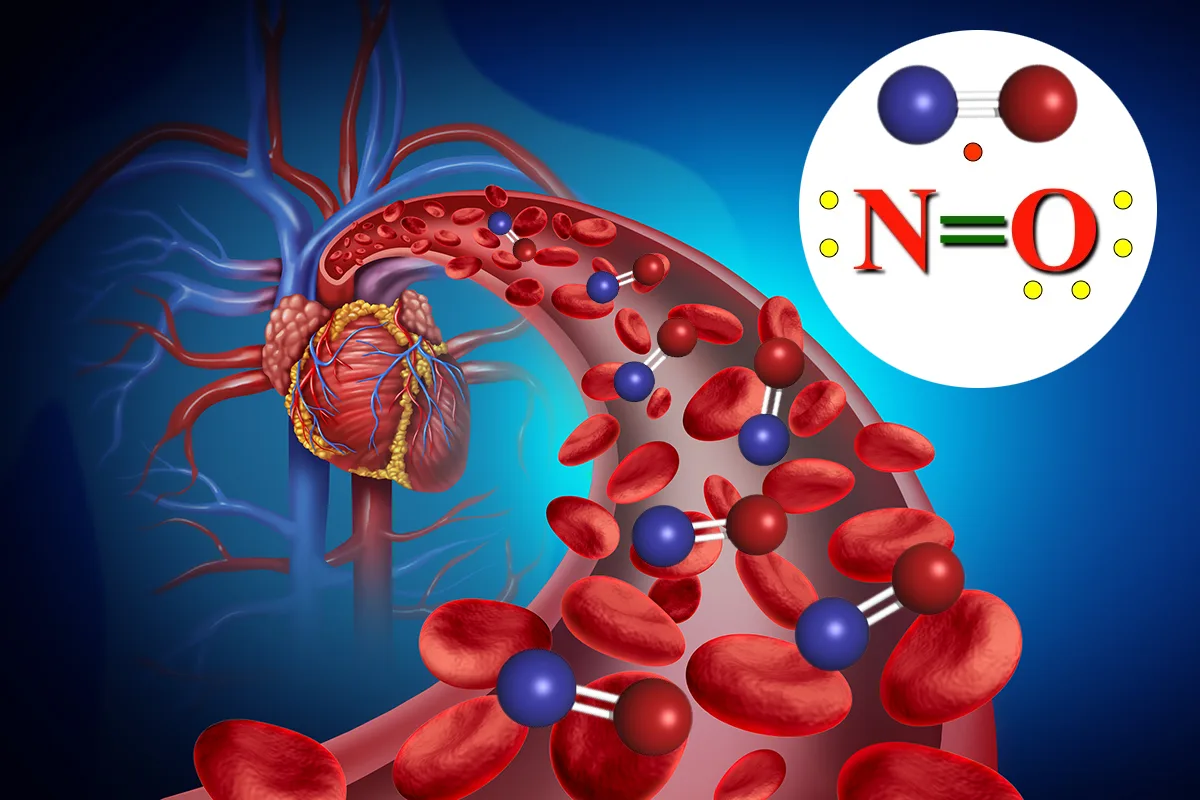
NO helps regulate blood flow throughout the body
Throughout the Body
Nitric Oxide functions as a widespread signaling molecule throughout the body. Some of the physiological roles or functions of NO include the following:
Vasodilation to decrease blood pressure and improve organ blood flow
Prevent unwanted blood clotting and obstruction to blood flow in arteries
Anti-inflammatory action in arteries to maintain a healthy arterial inner lining without cholesterol plaque buildup
Promotes learning, memory and information recall in the brain
Aids in the digestive process by promoting movement of digested foods and regulating secretion of digestive hormones and enzymes
Regulates bladder function by allowing the bladder to expand and hold more urine
Promotes erectile function and sexual arousal in men and women
Protects the skin against ionizing radiation from the sun. In addition, NO functions as a signaling molecule in concert with many other molecules and hormones in the body to maintain normal bodily functions
When NO Declines
Many disorders and diseases are associated with a decline in NO production as we age. In some cases, it is known that the decrease in NO actually causes the disorder. More research in the future will likely show that lower NO levels causes many more disorders. A variety of lifestyle habits have a direct impact on NO levels and risk factors for disease.
Here are some examples of the association between lower NO levels and disease states:
Hypertension or high blood pressure
Cerebral stroke
Myocardial infarction or heart attack
Dementia such as Alzheimer’s disease
Irritable bowel and related disorders in the digestive tract
Urinary incontinence especially in elderly women
Erectile dysfunction including sexual arousal disorders in men and women
Lifestyle & Risk
Decreased NO production places an individual at increased risk for disease. For example, poor eating habits and nutrition can lead to overweight and obesity, all of which cause a long-term decline in NO production and an accompanying increased risk for type-2 diabetes, stroke and heart attack. It is believed that such a decrease in NO production can also cause increased risk for dementia, erectile dysfunction and other disorders.
Why Exercise Matters
Physical activity or exercise can promote both acute and chronic increases in NO production. Here’s how it works: As your heart pumps more blood through the arteries during exercise, the increased force of blood flow triggers the endothelial cells at the inner layer of arteries to produce more NO. The reason for this is that NO is a vasodilator and will greatly improve local blood flow to the exercising muscles, thereby delivering more oxygen and nutrients from the blood into the muscle cells. NO goes up every time you exercise to the level where your heart rate goes up by at least 10 or 20 beats/minute. You don’t have to run a marathon or bicycle uphill for hours to increase your NO production. Walking briskly, jogging slowly, climbing stairs, playing tennis, swimming, dancing will do the trick. This NO, which the body uses to improve exercise performance, is the same NO that provides profound health benefits to your heart and other organs over time. Therefore, the key is to exercise regularly, that is, several times each week for a lifetime. This chronic increase in NO production is precisely the reason why “exercise is good for your health”.
Keep Exploring
01
Why Was the Nobel Prize Awarded for Nitric Oxide?
→
02
The History of the Discovery of Nitric Oxide
→
03
Nitric Oxide: The Basics
→
04
The Physiology of Nitric Oxide in Health and Disease
Current Topic
05
Erectile Function and Viagra
→
06
How to Increase Your Nitric Oxide Levels
→